How a Tank Water Heater Heats Water
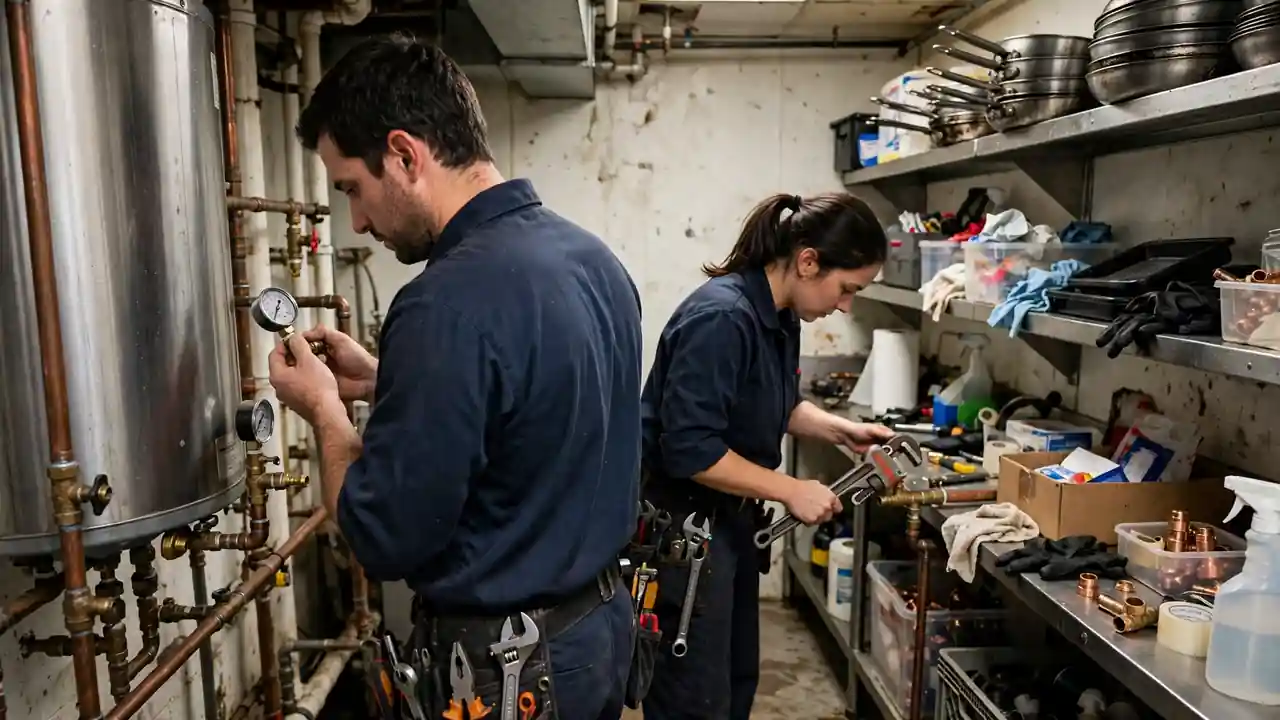
Storage water heaters maintain heated water within an insulated glass-lined steel vessel. Gas units utilize an atmospheric burner located beneath the tank, while electric units employ upper and lower immersion heating elements. Cold water enters through an internal dip tube to the tank base, while heated water rises to the top discharge pipe.
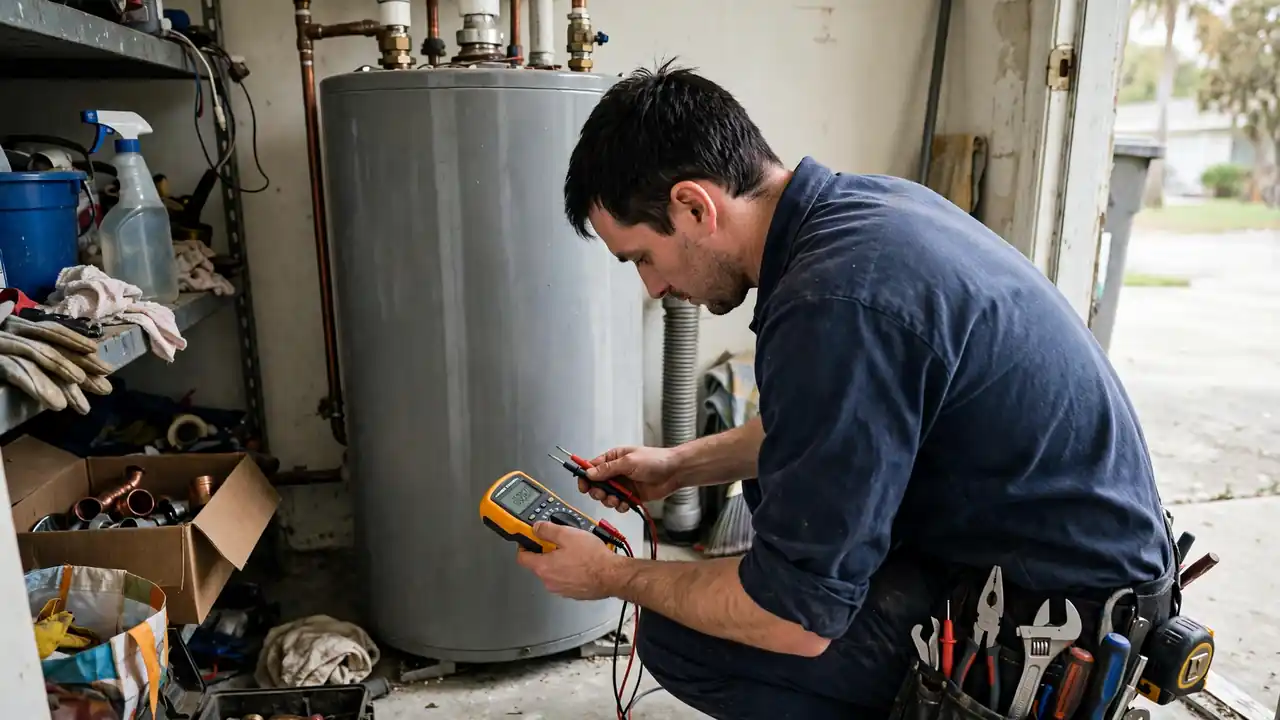
When thermostats, immersion elements, or gas thermocouples fail, the tank retains water but loses heating capability. Cold showers indicate localized component malfunction rather than total tank structural failure.
Why Sediment Shortens Heater Life
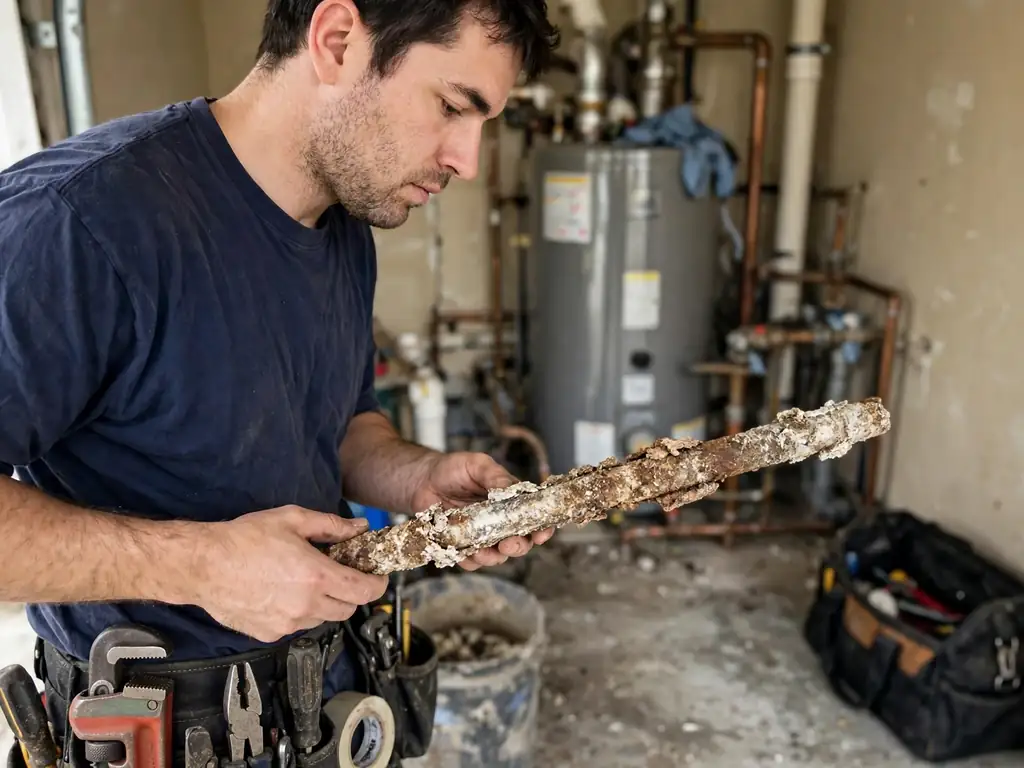
Dissolved calcium and magnesium minerals precipitate onto the bottom of the tank as hard crystalline scale. This sediment layer insulates the water from the heating source, forcing burners and electric elements to operate longer and overheating the bottom tank head.
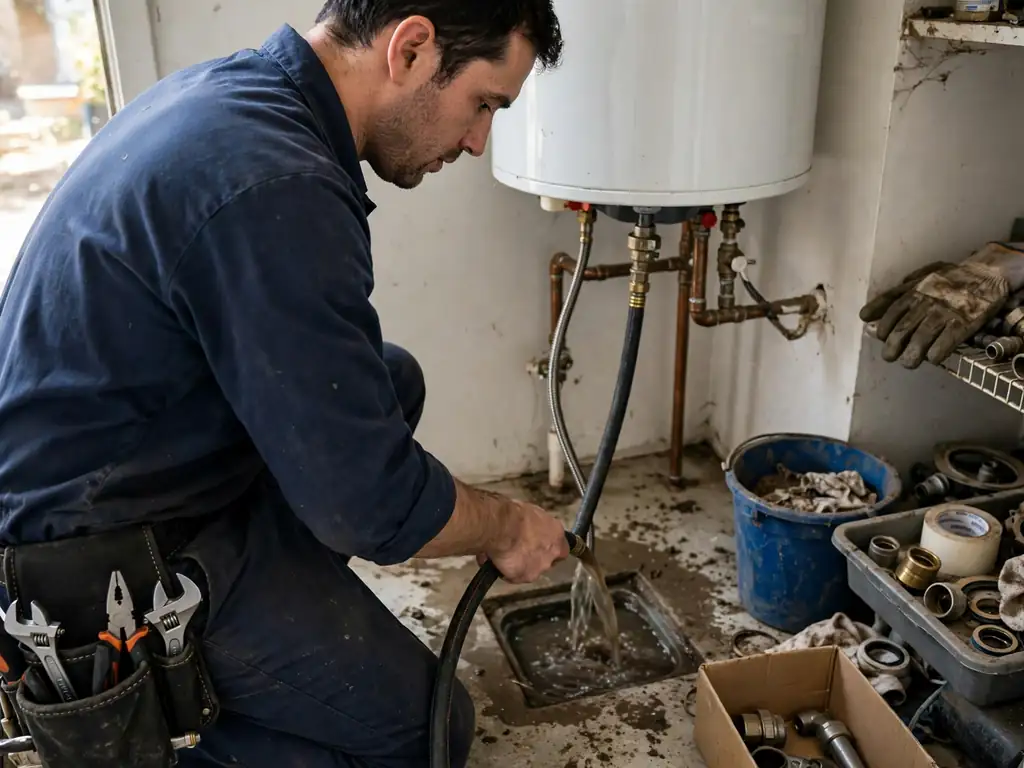
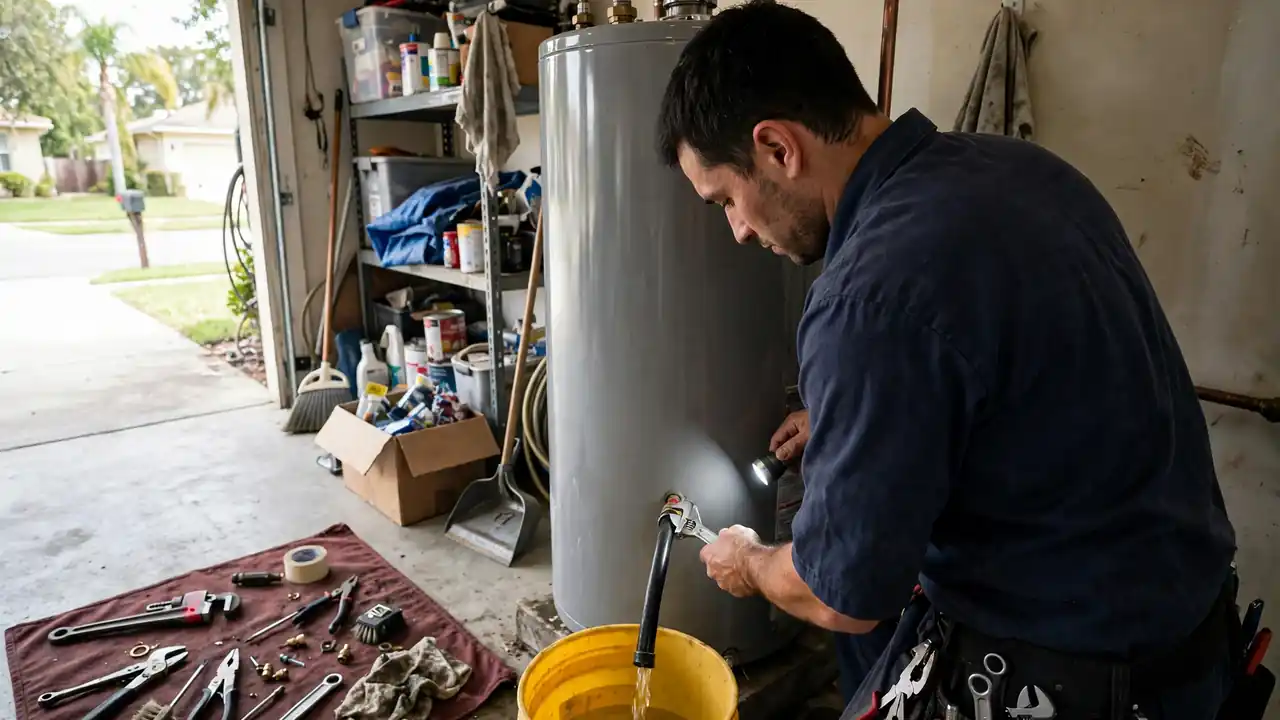
Annual tank flushes eliminate mineral accumulation. In Montclair's hard water zone, regular descaling prevents sediment calcification and protects tank integrity.
Repair or Replace: How to Decide
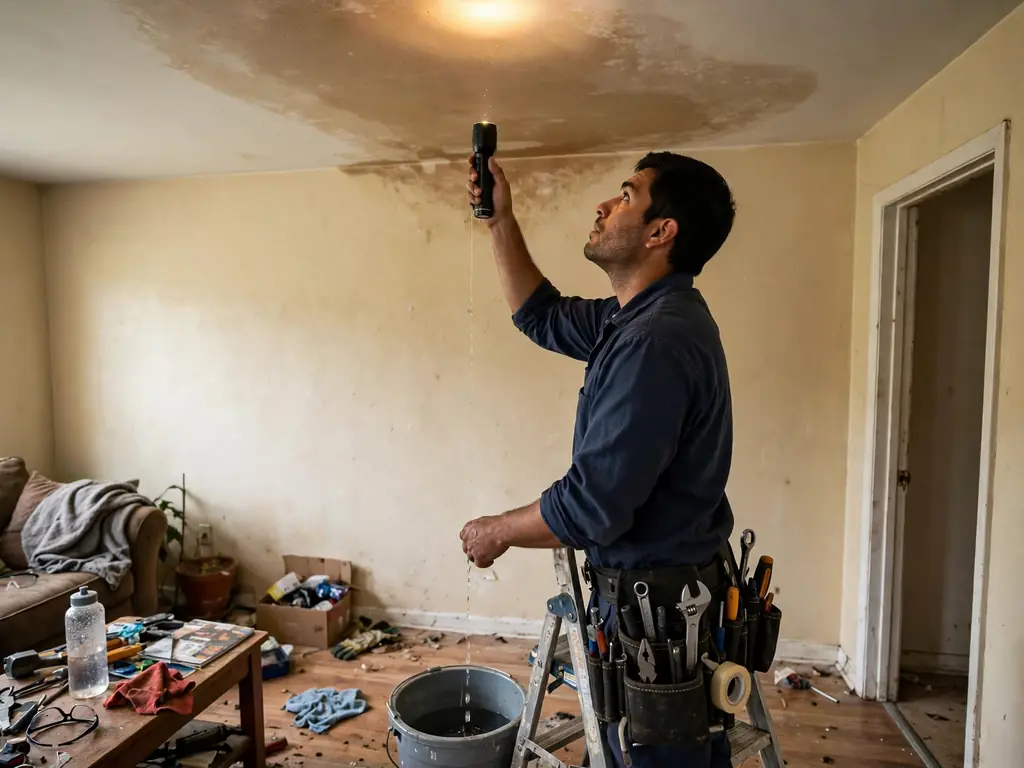
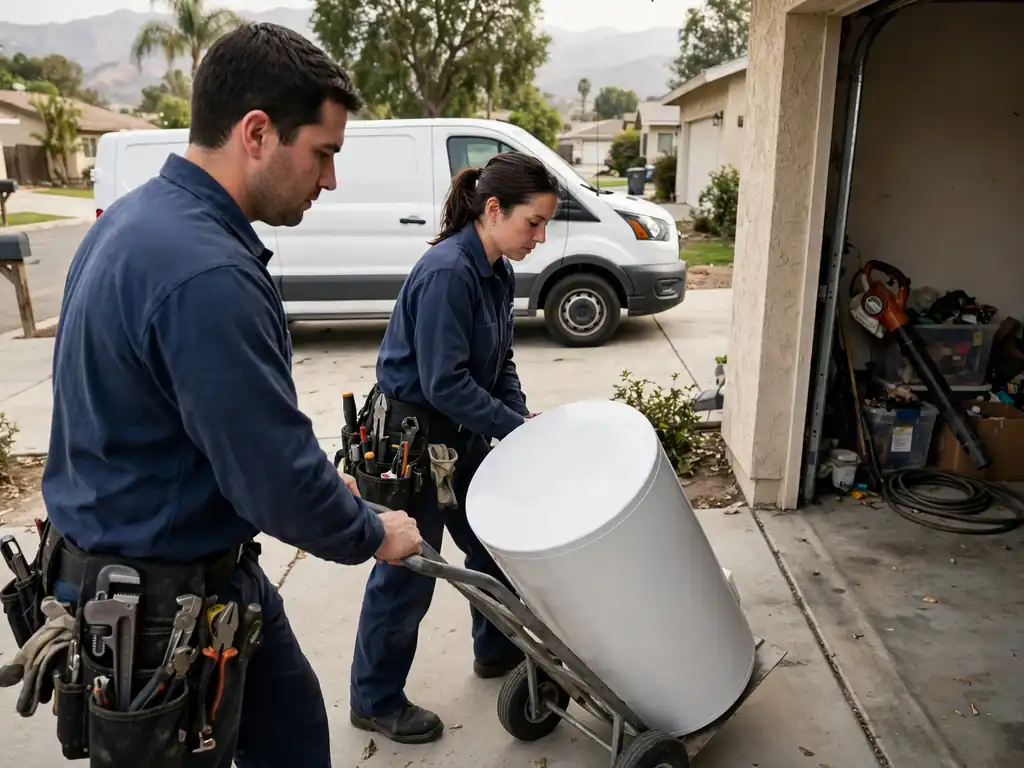
Component repair represents the logical option when the unit is under 8 years old and the tank shell remains watertight. Complete replacement is mandatory when rust penetrates the tank base, active seams weep, or the unit exceeds 10 to 12 years of service.
Operating efficiency and repair frequency determine financial viability. Replacing a repeatedly failing tank with a high-efficiency model reduces monthly utility expenses and eliminates flooding hazards.