Common causes of hidden leaks
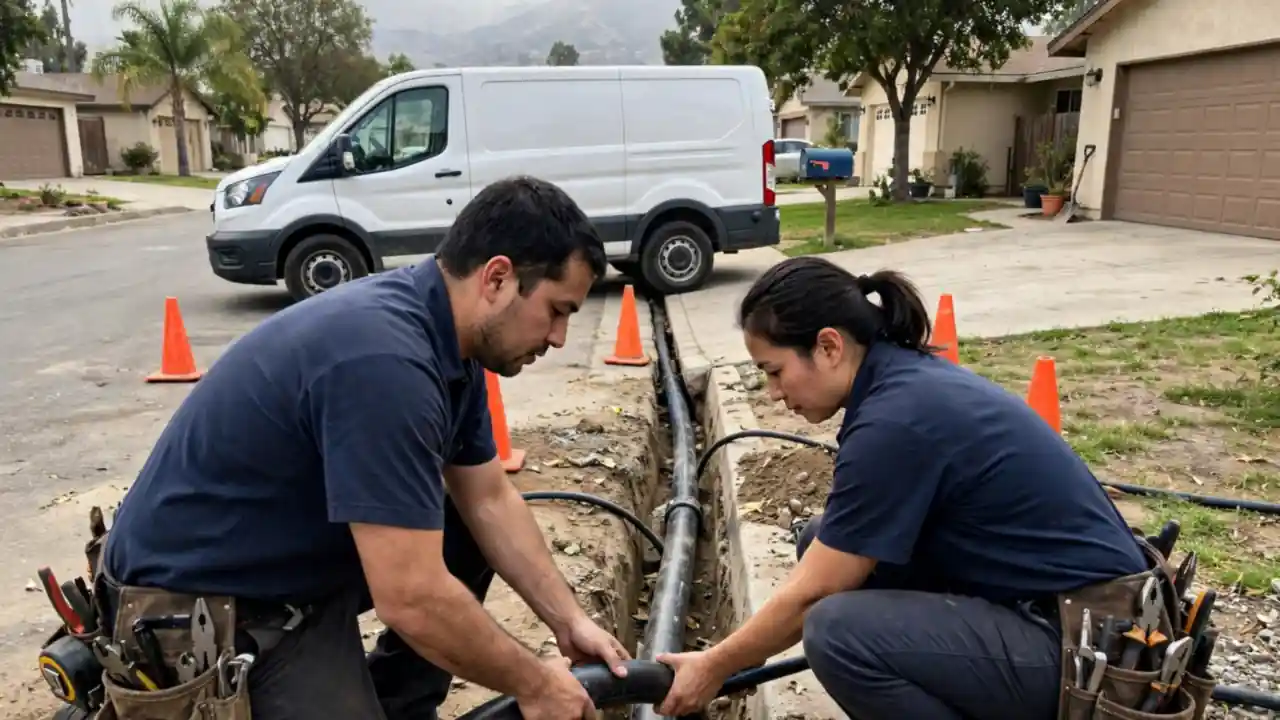
Concealed water leaks result from galvanic corrosion, chemical flux etching, excessive water velocity, and seasonal soil shifting. Thin-wall copper pipes develop pinhole fissures from water turbulence and chloramine additives, while subterranean pipes suffer joint shearing from seismic settlement.
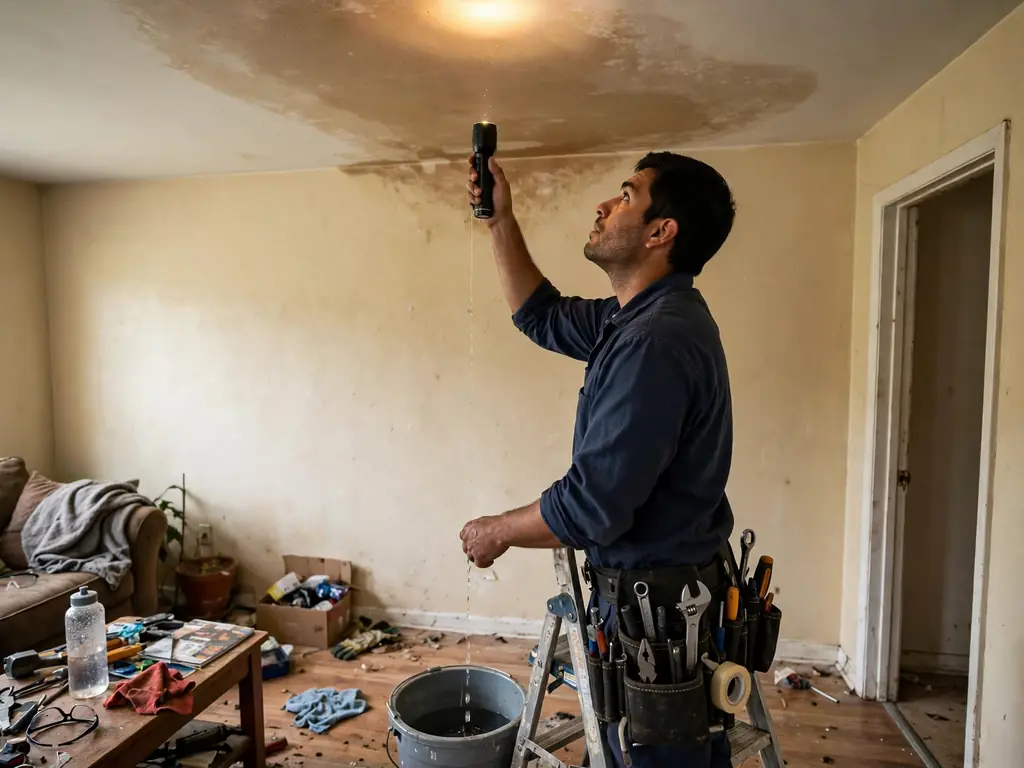
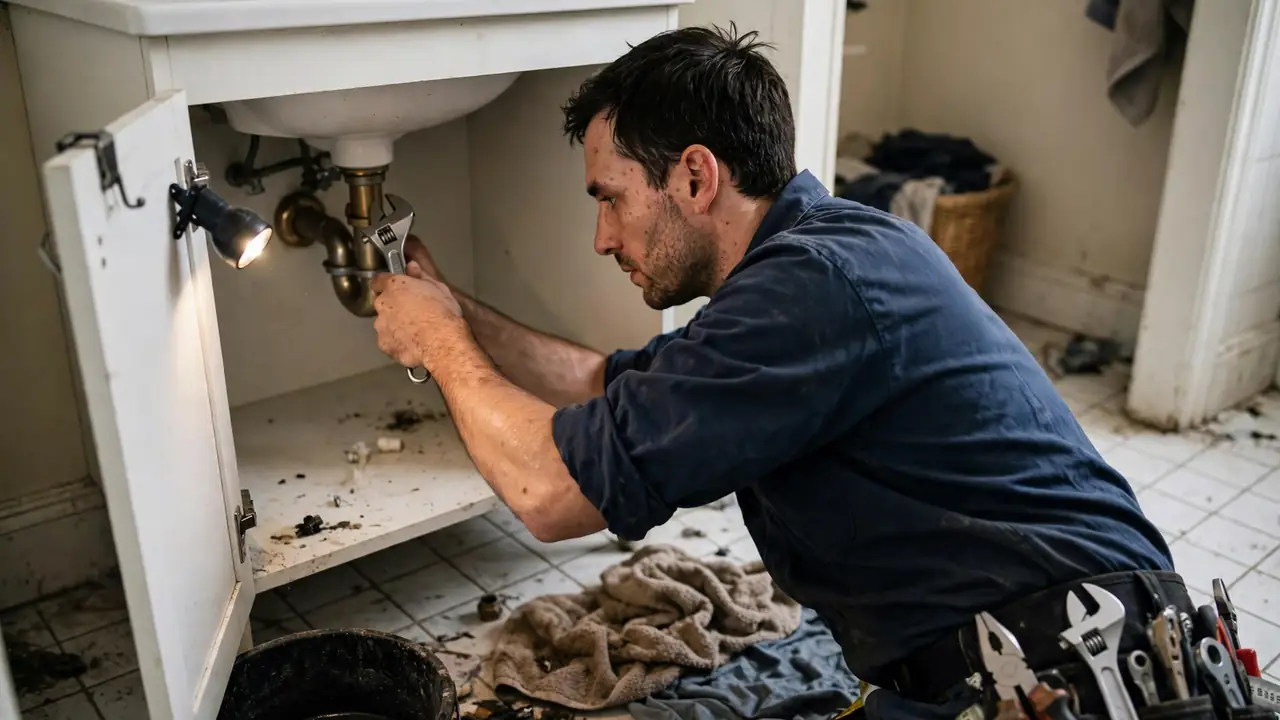
In-wall plumbing fixtures frequently leak silently. Concealed shower diverter valves, toilet supply risers, and refrigerator water supply lines can discharge steady drips behind drywall, breeding toxic mold before visible staining emerges.
What you can safely check yourself
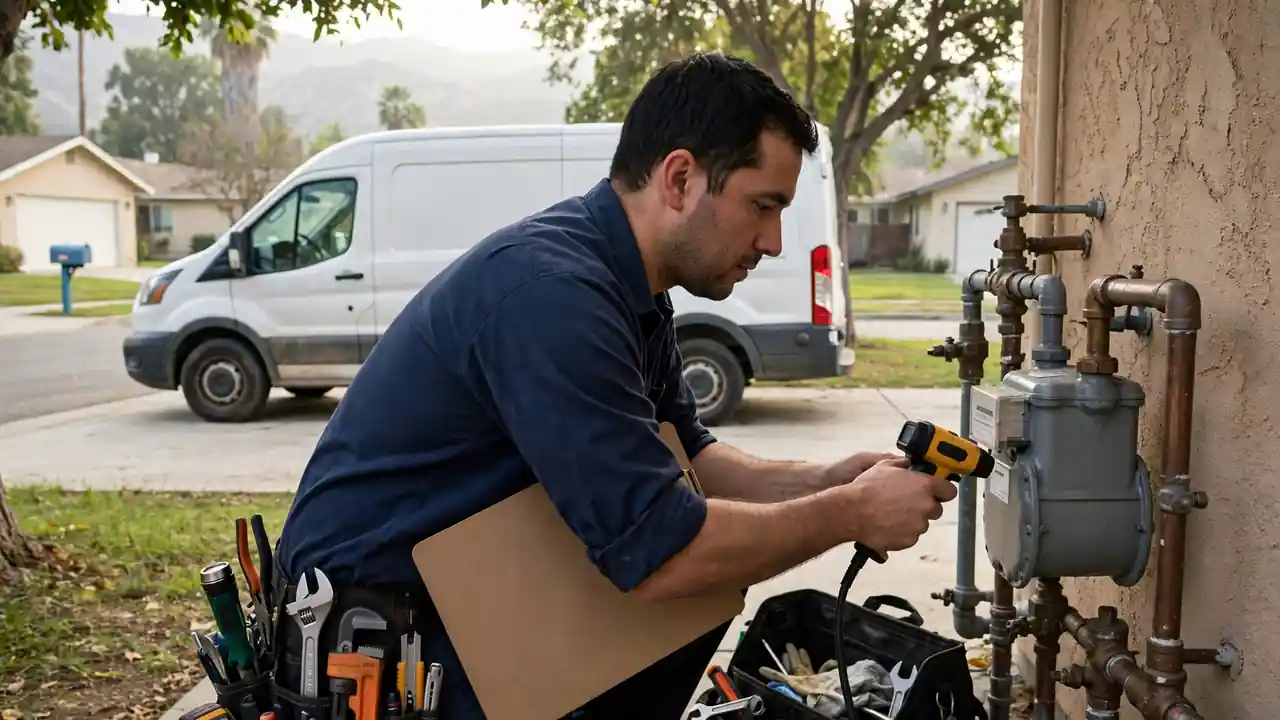
Homeowners can verify active pressurized loss by inspecting the municipal water meter with all household fixtures turned off. Movement on the triangular low-flow indicator dial confirms water escaping from the pressurized system.
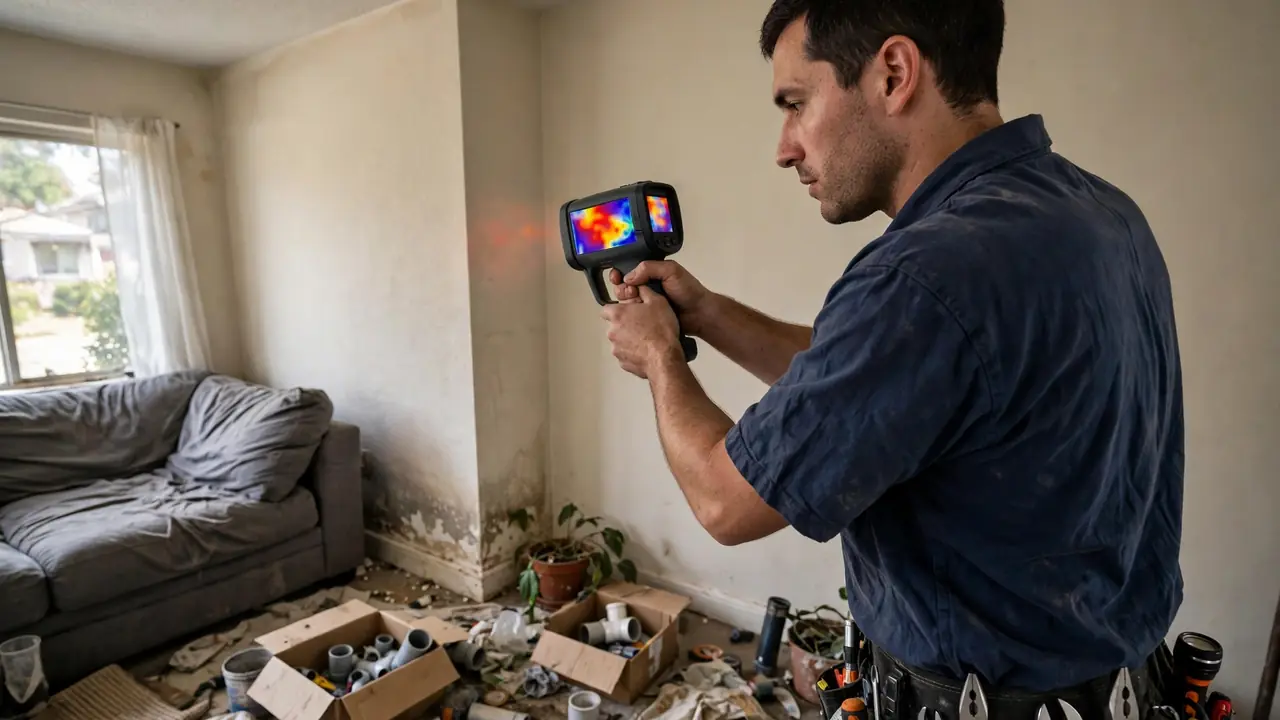
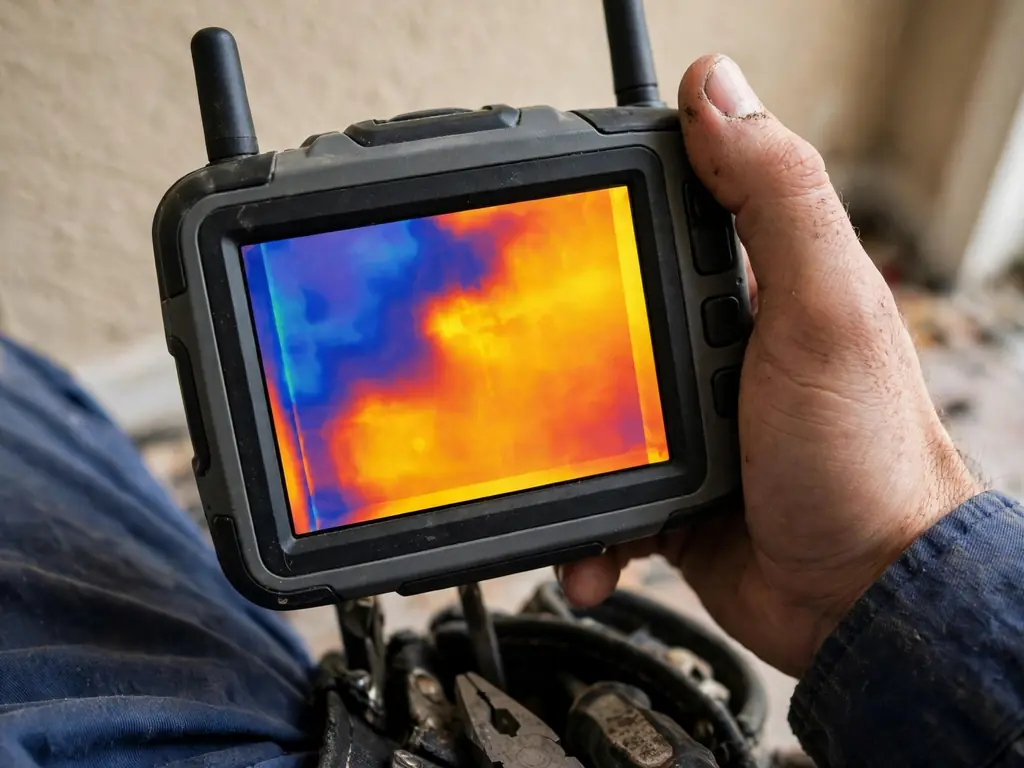
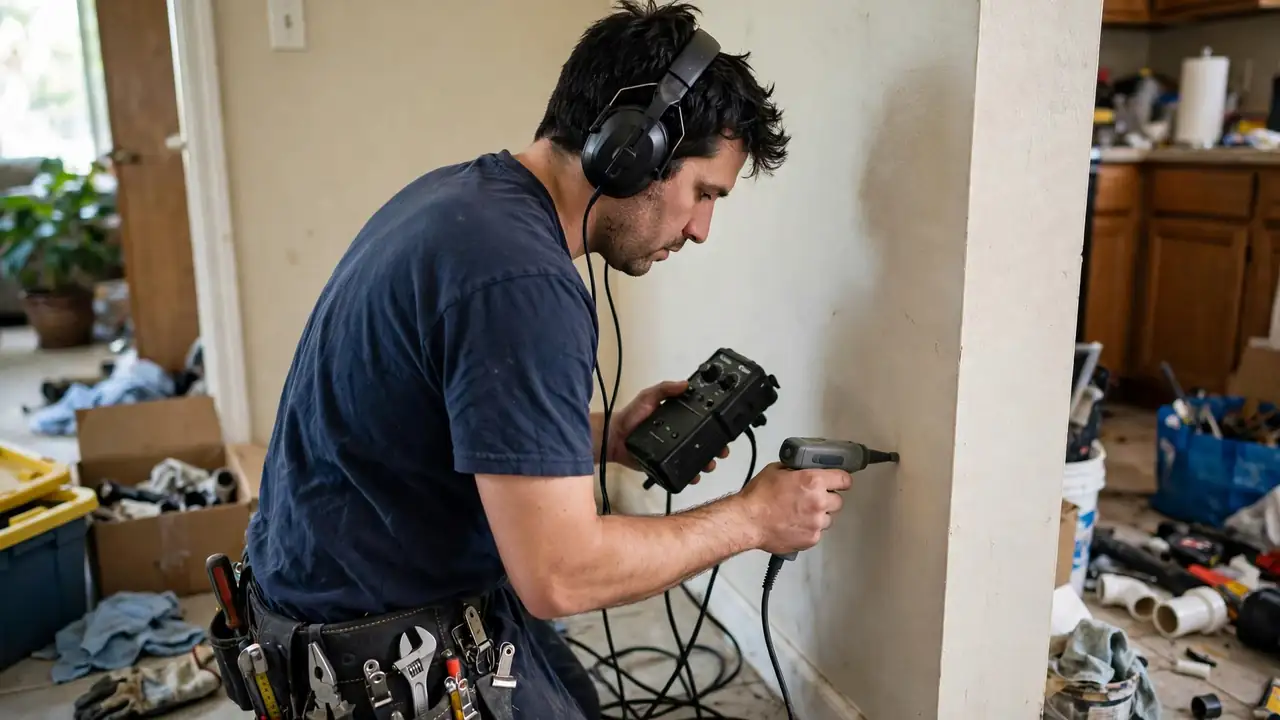
Avoid exploratory drywall demolition or floor saw-cutting without electronic acoustic verification. Precision electronic scanning isolates defect coordinates to prevent costly structural restoration.
When to call a professional
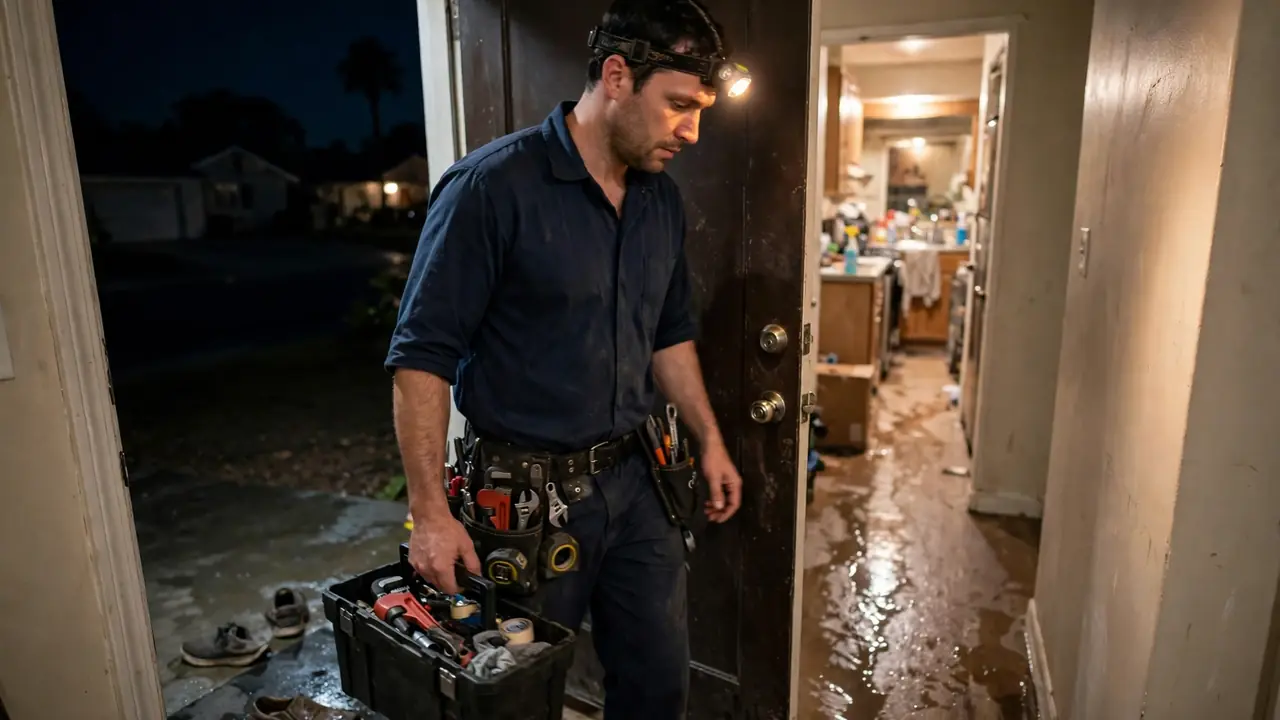
Contact a licensed professional immediately when water meters indicate flow, warm floor zones emerge, or drywall stains spread. Early electronic detection contains restoration costs and stops structural foundation erosion.
If the leak is under a slab or behind a wall, call for slab leak detection rather than guessing. We can also handle the water leak repair once the source is confirmed.