Primary Drivers of Catastrophic Pipe Failures
Pressurized pipe ruptures stem from electrochemical pitting, excessive municipal hydraulic pressure, and thermal expansion cycles. In Montclair, hard mineral water reacts with copper piping, stripping internal passivation layers and generating pinhole leaks along lower pipe walls.
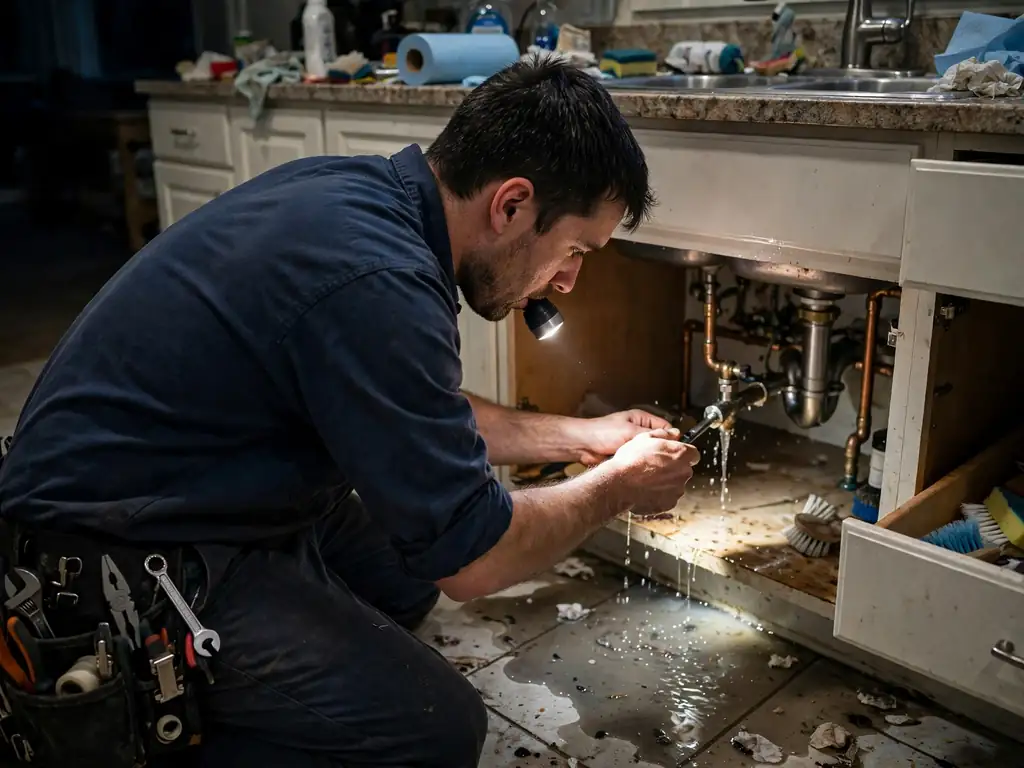
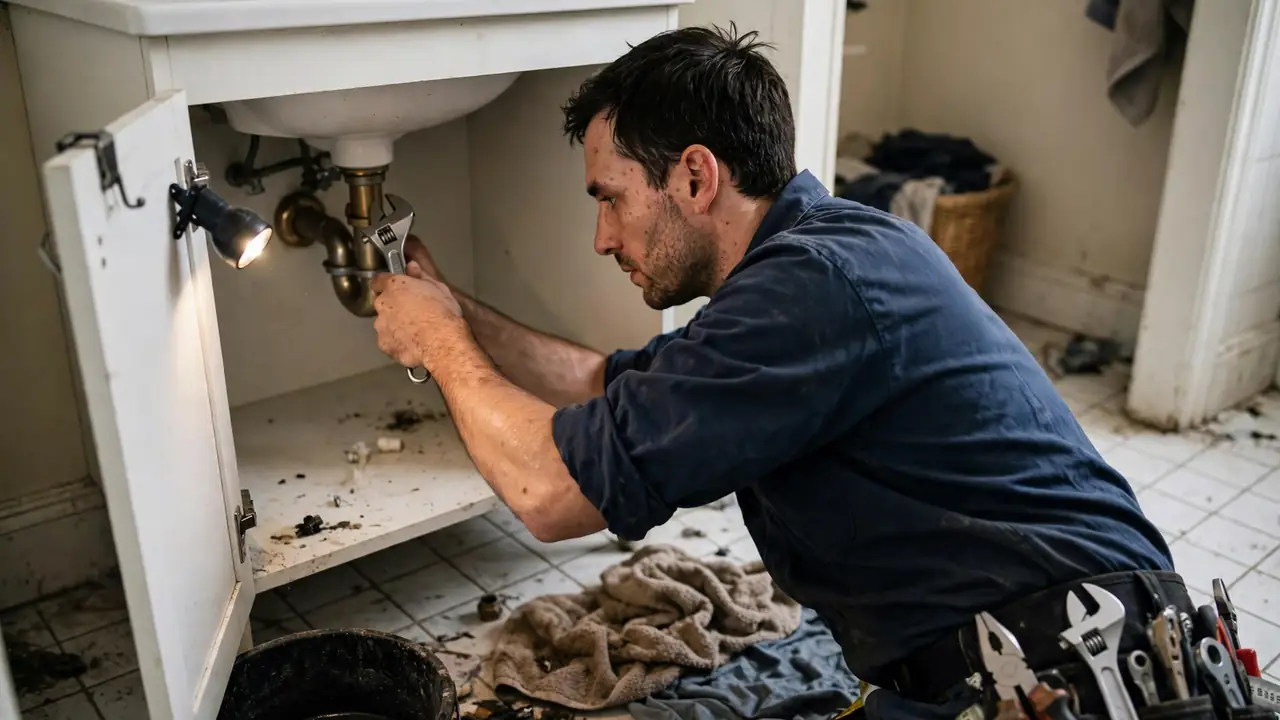
Supply connections fail at mechanical threaded unions, compression joints, and crimped flex lines. Mineral crusting and green copper oxide buildup signal advancing metal degradation that requires prompt valve replacement.
Sectional Spot Repair vs. Complete Repiping
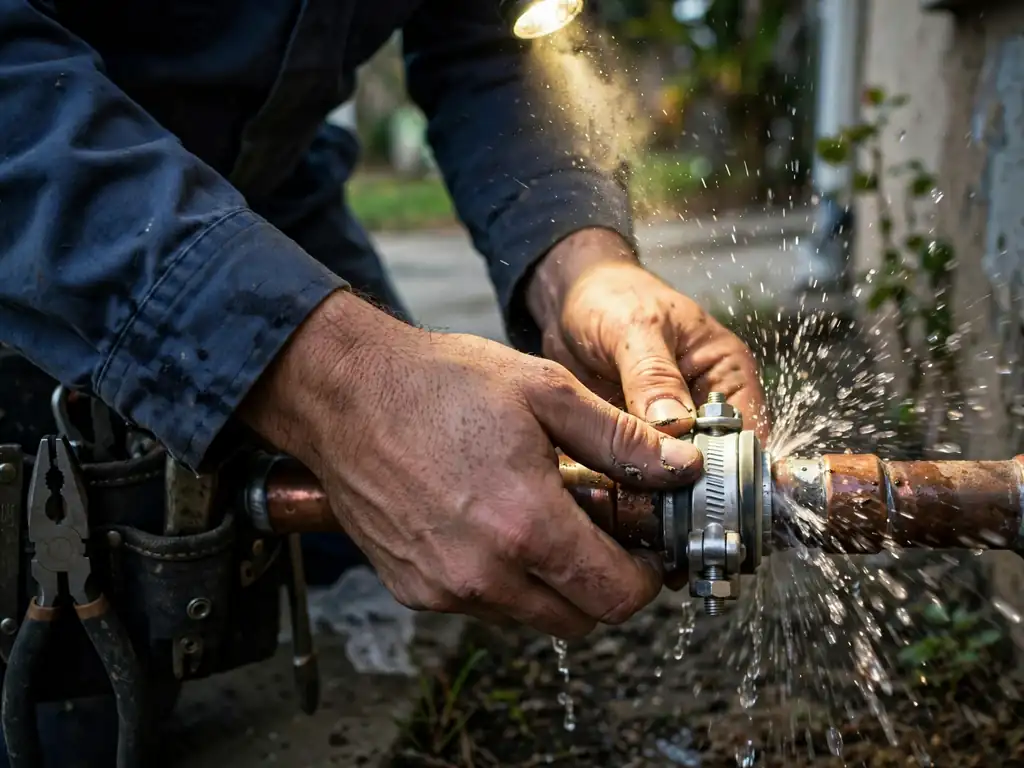
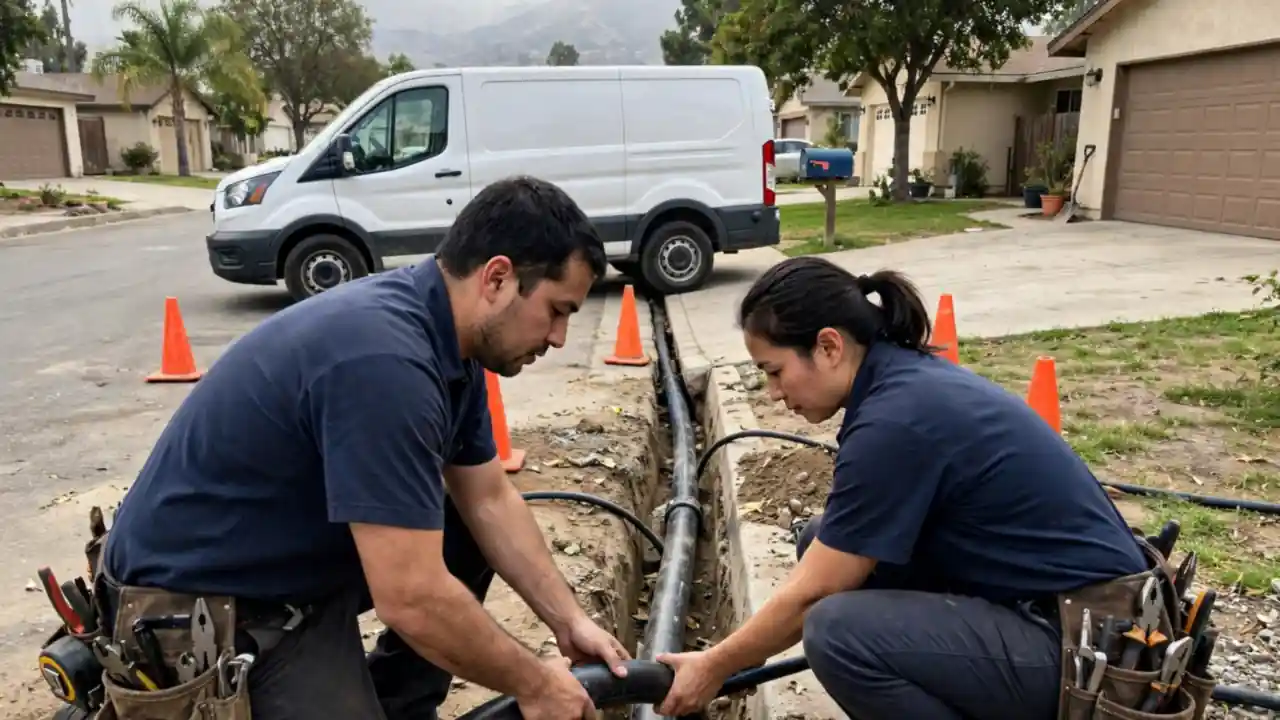
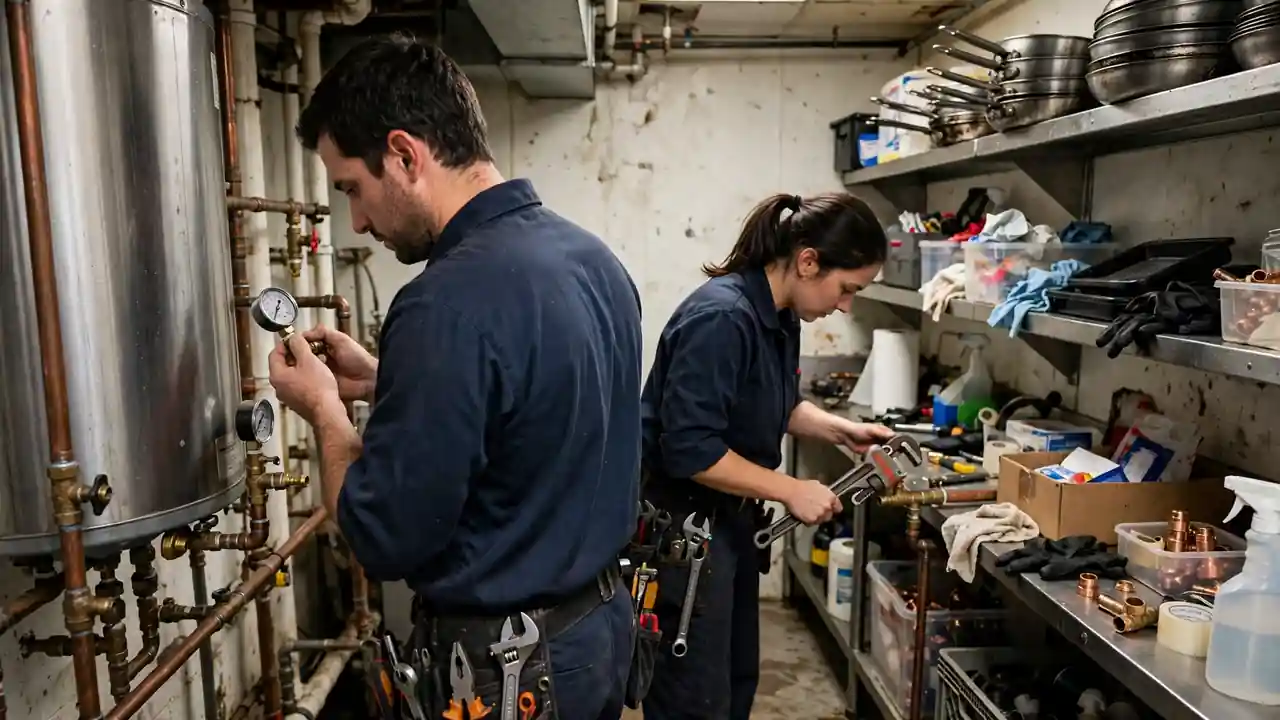
When an emergency rupture occurs on an isolated section of structurally sound pipe, our plumbers execute a sectional spot repair using Type L copper or PEX-a. When piping exhibits systemic pitting or repeated breaches, installing a complete repipe provides a permanent, code-compliant solution.
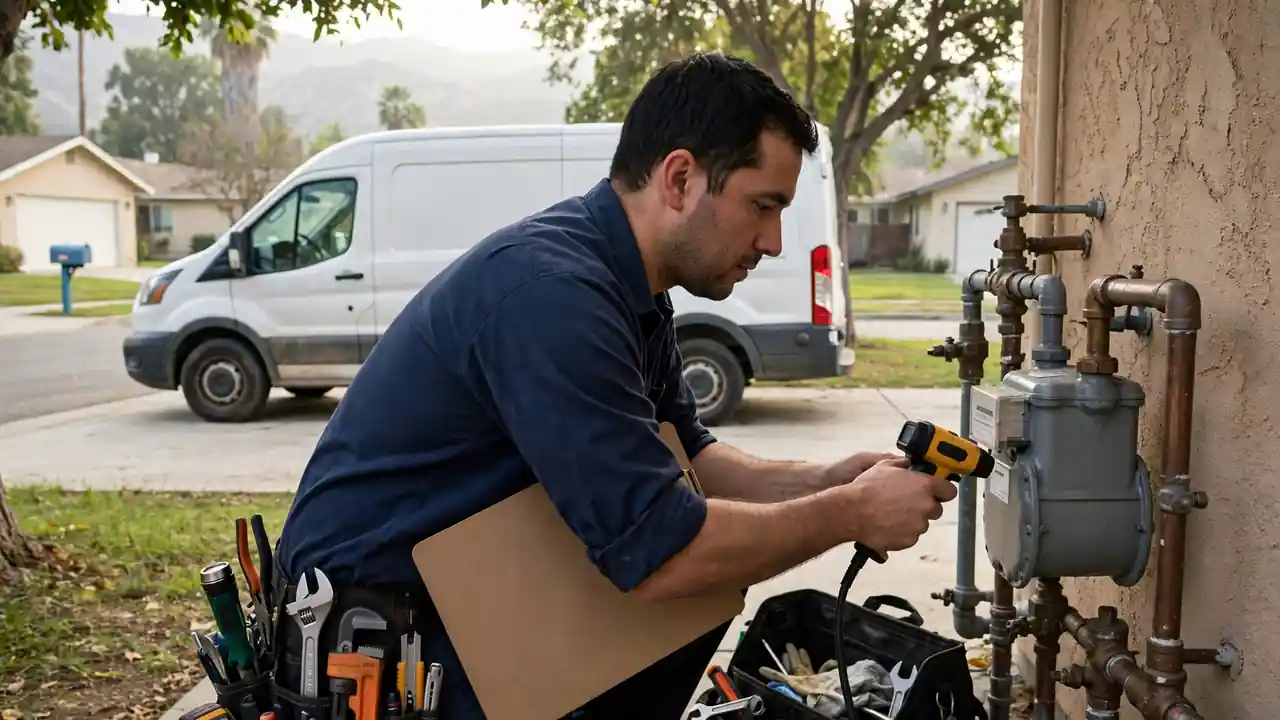
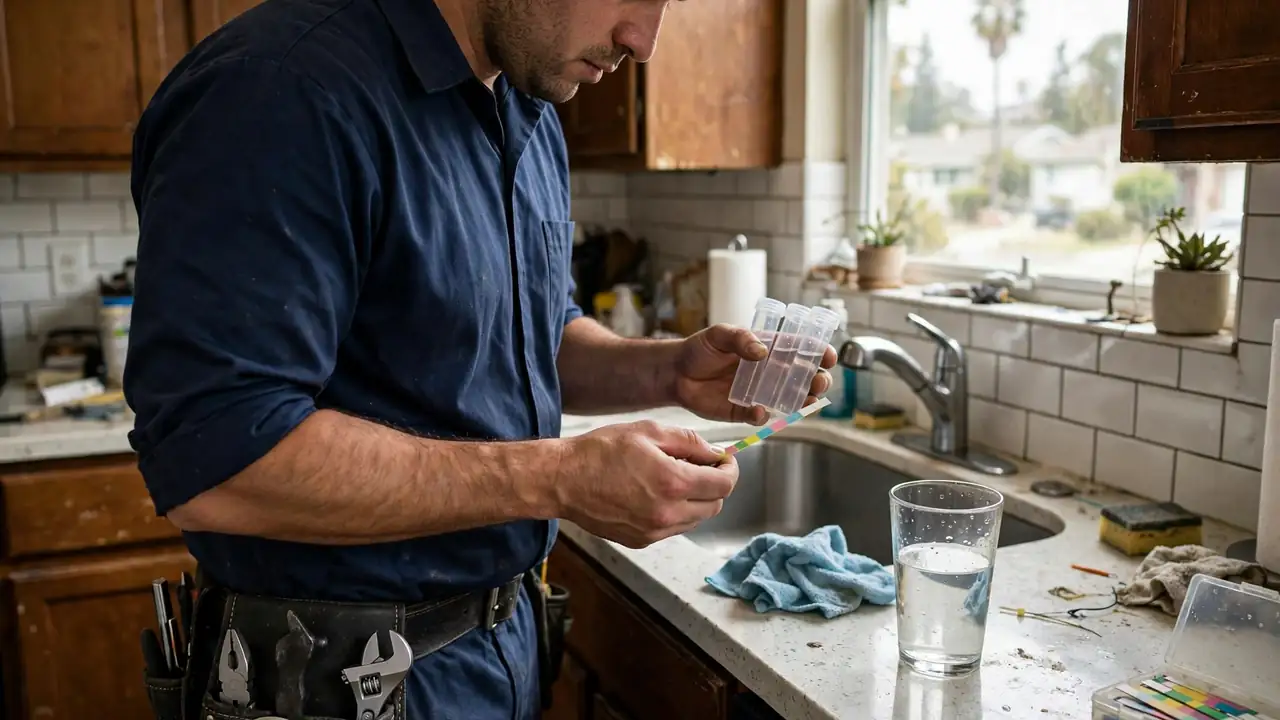
Our technicians present physical pipe condition findings, water hardness readings, and system pressure logs so you can choose the optimal repair approach with complete engineering transparency.
Consequences of Deferred Emergency Plumbing Remediation
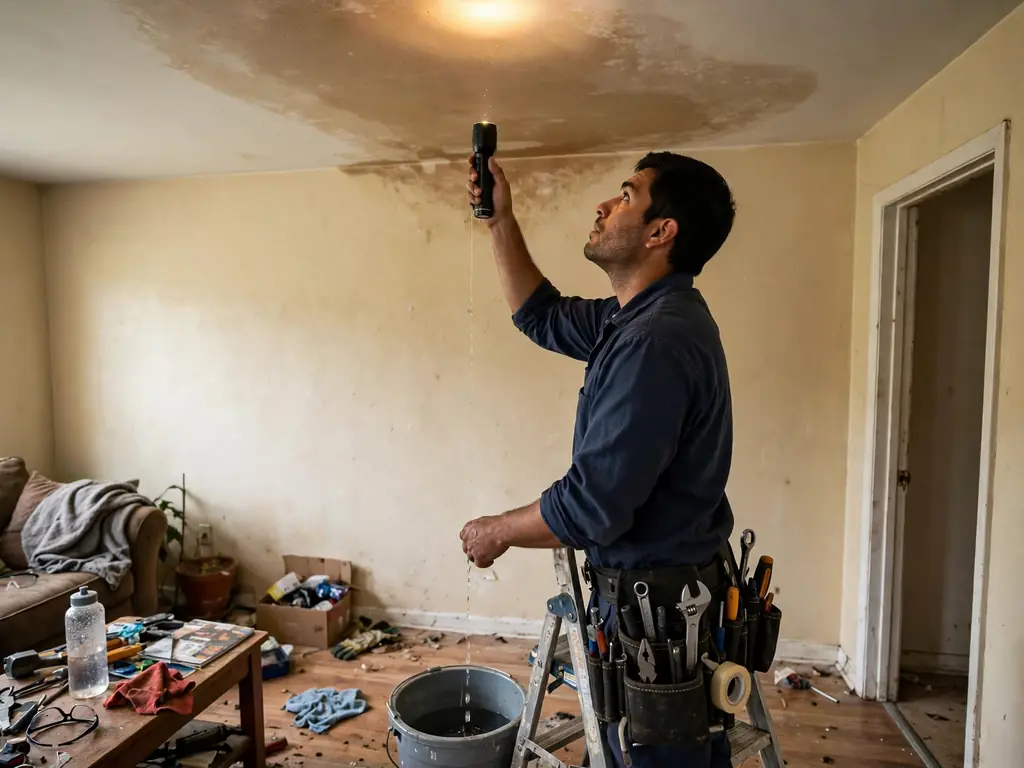
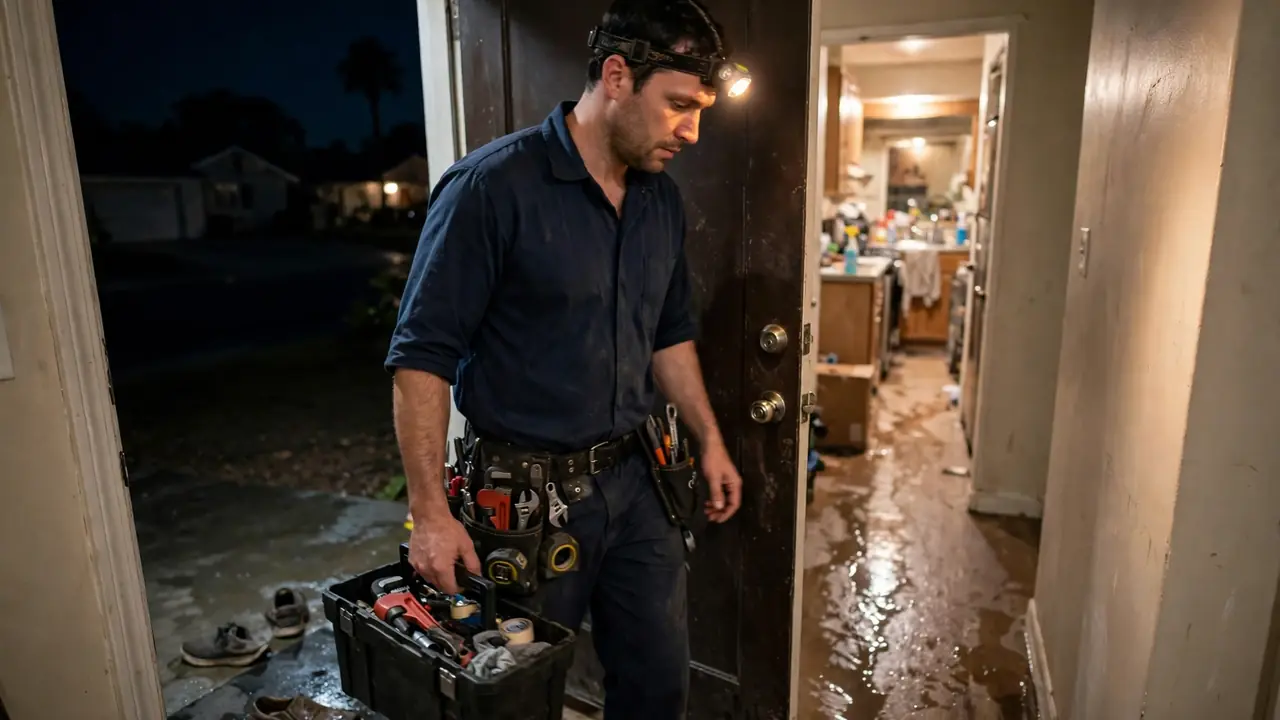
Deferred plumbing repairs lead to saturated drywall, rotted floor joists, damaged subflooring, and black mold colonization within 48 hours. Constant water discharge erodes structural foundation soils, generating slab settlement and foundation cracking.
A continuous pressurized water burst wastes thousands of gallons of water per hour, causing catastrophic structural damage. Rapid professional intervention halts water waste and safeguards property value.