What causes a sewer line to fail
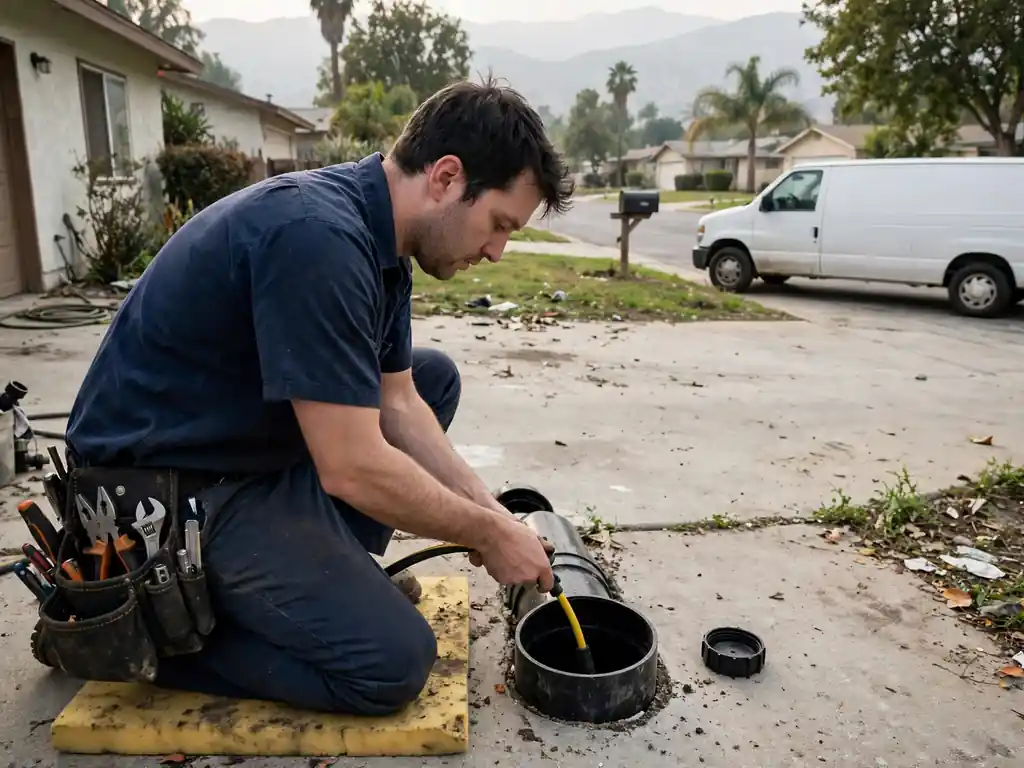
Subterranean sewer laterals deteriorate through predictable mechanical processes: structural aging of legacy materials, aggressive tree root penetration, seismic and expansive soil shifting, and foreign debris accumulation. Unlined clay tiles experience brittle shear fractures, while cast iron suffers bottom-channel corrosion.
Inland Empire soil movement displaces rigid pipe joints and creates low bellies where solid waste stagnates. Cooking grease and non-dispersible synthetic wipes accelerate complete lateral blockages.
Technical Capabilities & Diagnostic Limits of Pipeline Cameras
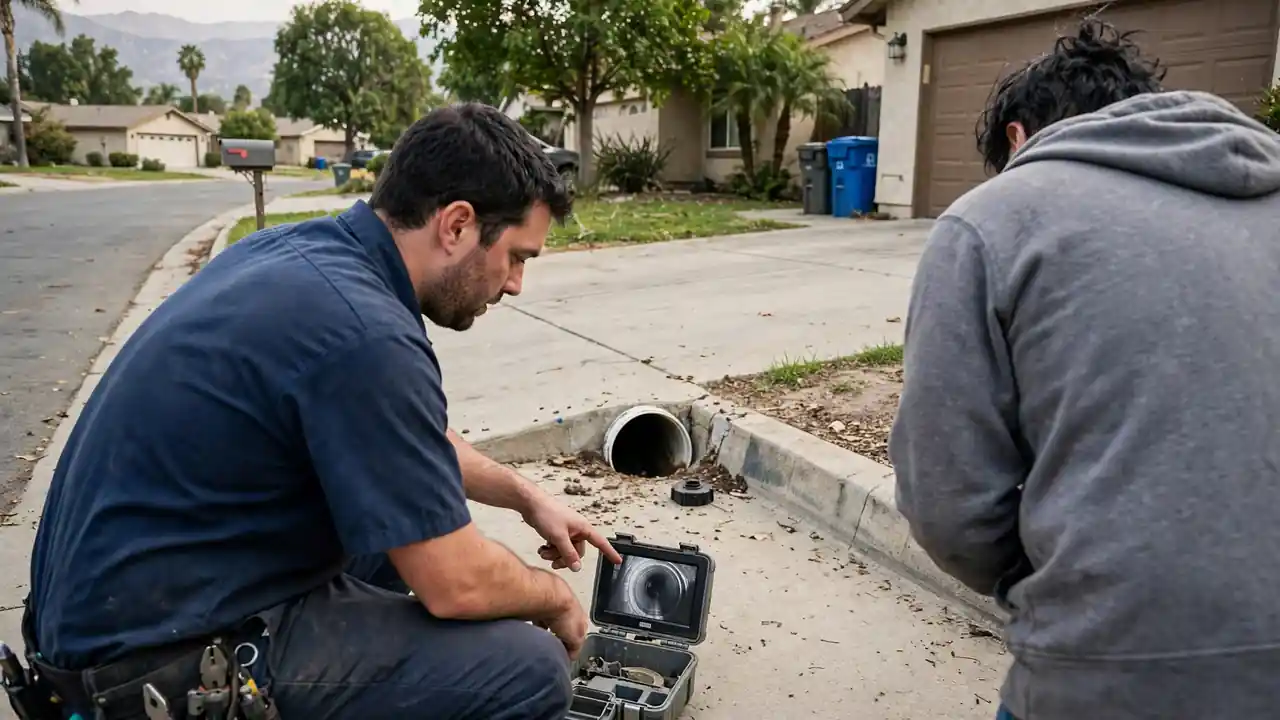
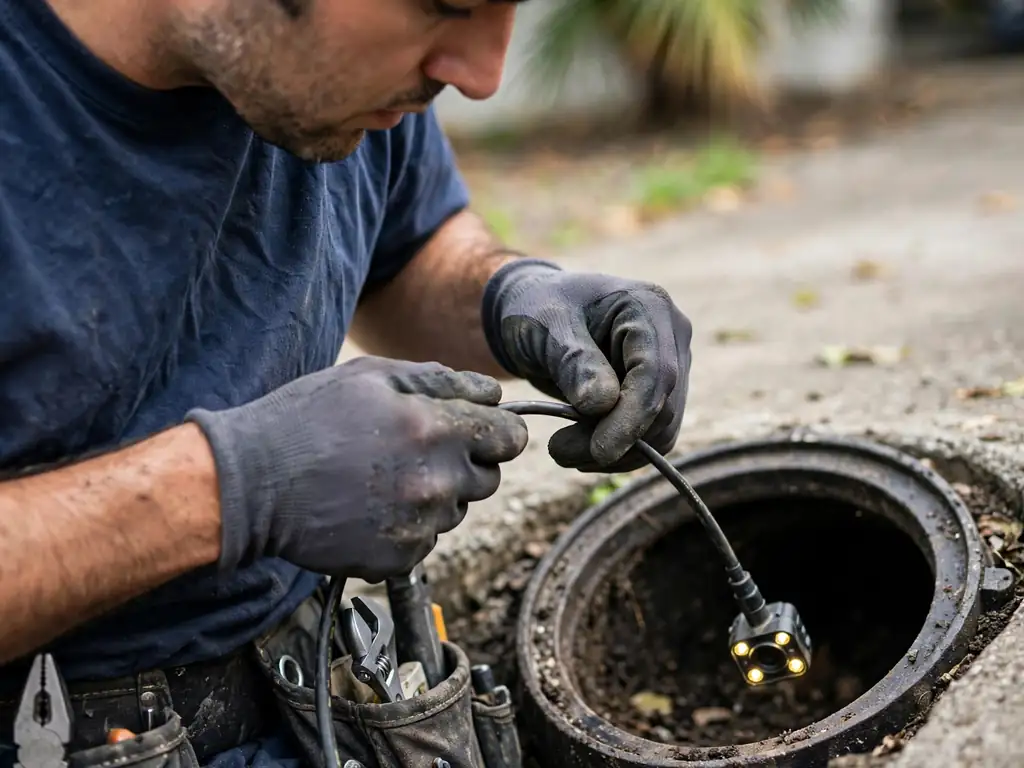
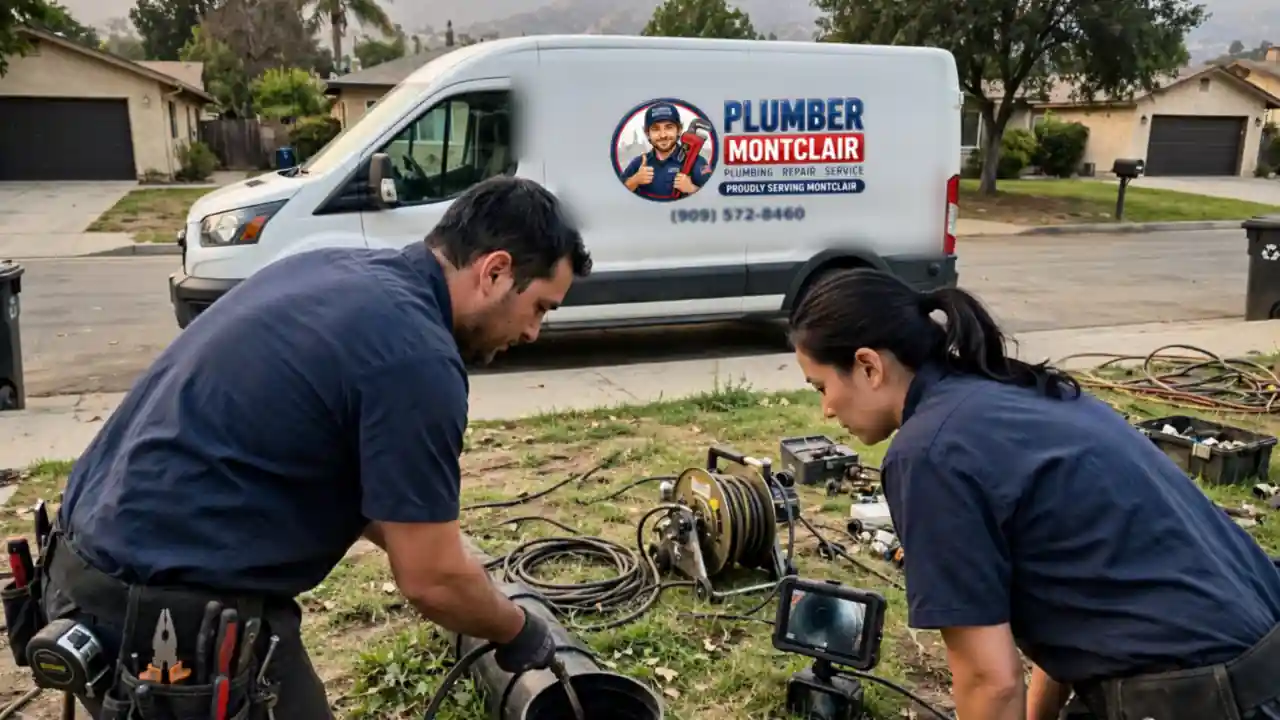
Self-leveling inspection cameras document the internal pipeline environment from cleanout to municipal main, revealing hairline cracks, invasive roots, joint separations, and scale accumulation. Optical systems cannot penetrate opaque standing water without preliminary hydro jetting and cannot traverse complete structural collapses.
High-resolution video footage provides definitive diagnostic data to distinguish between basic hydraulic cleaning, targeted spot repair, and full lateral replacement.
Repair or replace: how the decision is made
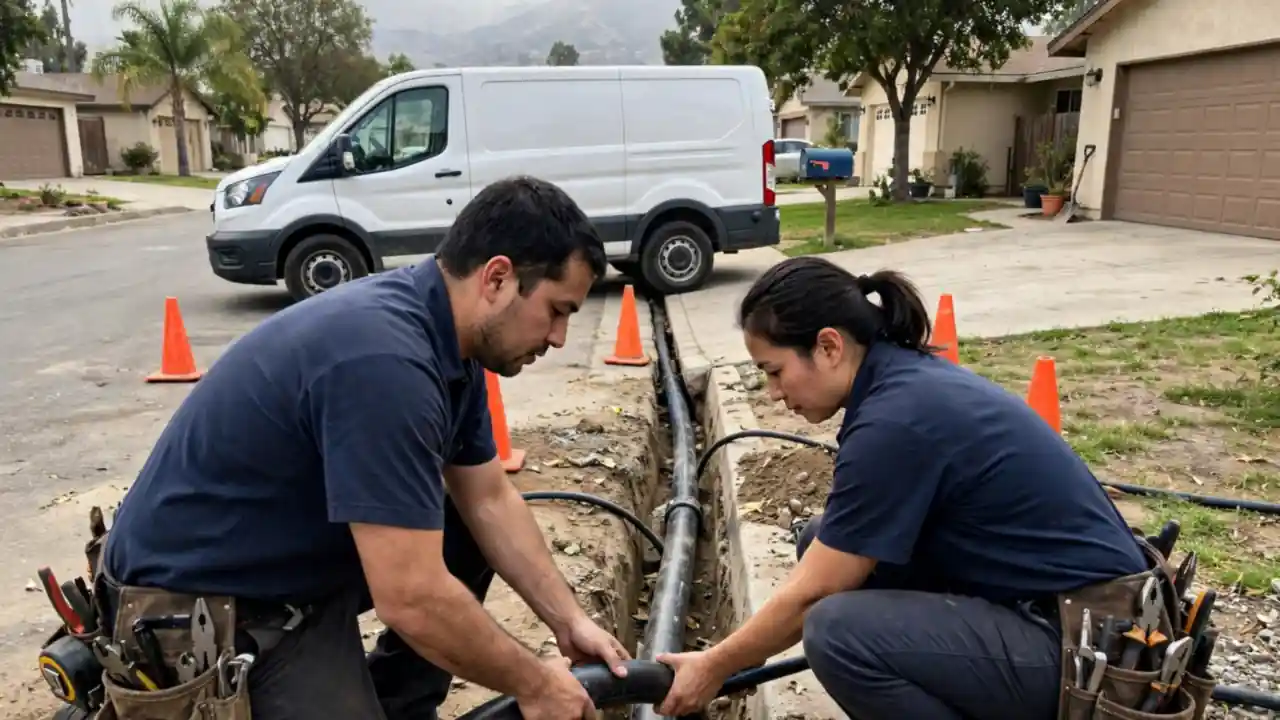
Isolated radial fractures or single root-infiltrated joints qualify for localized spot excavation or trenchless cured-in-place pipe (CIPP) lining. Laterals exhibiting widespread channel corrosion, multiple structural offsets, or extensive pipe collapse require complete replacement using trenchless pipe bursting or open excavation.
If repair is the right answer, we handle it through sewer repair. If the line is beyond repair, sewer line replacement covers the full replacement. Water supply problems are separate and fall under water line repair.